Top SMD Electronic Component Carrier Tape in 2026 What to Know?
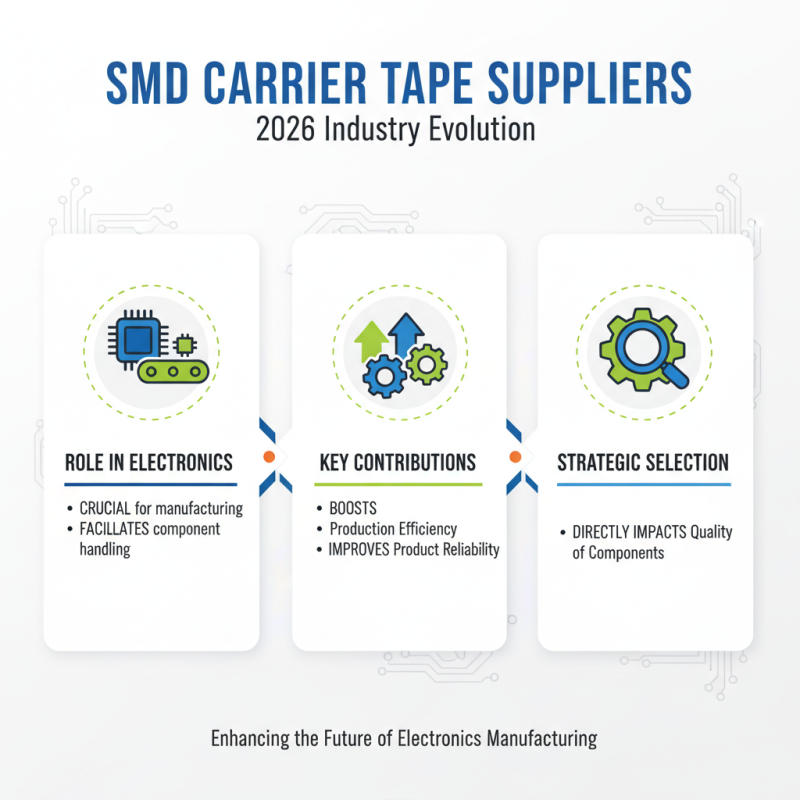
The world of SMD electronic components is rapidly evolving. As we look to 2026, understanding the significance of SMD electronic component carrier tape becomes essential. This unique packaging solution is critical for efficient handling and transportation of miniaturized components.
Choosing the right carrier tape can greatly impact the supply chain. Each type offers various strengths and weaknesses. Some tapes provide enhanced protection, while others focus on cost-effectiveness. Manufacturers must assess their specific needs carefully.
In 2026, trends will likely shift. New materials and technologies could emerge. Companies must stay informed. Reliability and performance will be key factors. The right SMD electronic component carrier tape can optimize production processes and reduce waste. Keeping abreast of these developments will be crucial for manufacturers and suppliers alike.
Understanding SMD Electronic Component Carrier Tape: An Overview
Understanding SMD Electronic Component Carrier Tape: An Overview
SMD (Surface Mount Device) electronic component carrier tape plays a crucial role in modern manufacturing. It facilitates the transportation and placement of tiny components on printed circuit boards (PCBs). According to industry reports, the global SMD carrier tape market is projected to grow by approximately 8% annually over the next few years. This growth stems from the rising demand for compact and efficient electronic devices.
Carrier tape is typically made from materials like plastic, offering durability and flexibility. Each tape has specific dimensions and hole configurations to match varied components. These design specifics are essential to prevent damage and ensure accurate component placement. Unfortunately, many manufacturers overlook the importance of precise alignment, leading to potential production setbacks.
Tips: Always double-check the specifications of carrier tape. Compatibility is key to efficient operations.
Additionally, understanding the different types of carrier tapes is vital. There are embossed, punched, and die-cut tapes. Each type serves different component shapes and sizes. Companies must adapt their processes to accommodate evolving technology trends. Failing to do this can result in costly inefficiencies.
Tips: Regular training for staff on new technologies can prevent operational errors.
Top SMD Electronic Component Carrier Tape in 2026 What to Know?
| Dimension |
Specification |
Material |
Usage |
Year of Popularity |
| 8 mm |
Standard pitch |
Polyester |
Consumer Electronics |
2026 |
| 12 mm |
Thicker components |
PVC |
Industrial Applications |
2026 |
| 16 mm |
Wider pitch |
Polypropylene |
Automotive |
2026 |
| 24 mm |
Large components |
ESD Safe Material |
Consumer and Industrial |
2026 |
Key Features of SMD Carrier Tapes for Enhanced Performance in 2026
In 2026, the evolution of SMD carrier tapes will be marked by significant improvements. These enhancements are vital for the efficient transport of electronic components. A prominent feature will be increased precision in component placement. Accurate positioning minimizes the risk of damaging fragile parts during automated assembly processes.
Another key aspect is the material composition of carrier tapes. New polymers offer greater durability and flexibility, vital for high-speed production lines. This innovation reduces wear and tear, making production more reliable. However, manufacturers must consider the environmental impact of these materials. Striking a balance between performance and sustainability is critical.
Moreover, user-friendly designs will enhance operational efficiency. Easy-to-read labels on the tapes will facilitate quick identification of components. This clarity can save time during assembly. Still, it's essential to review how these changes impact the overall workflow. Constant improvements and adjustments are necessary to meet industry demands effectively.
Market Trends and Innovations in SMD Electronic Component Carrier Tapes
The landscape of SMD electronic component carrier tapes is rapidly evolving. Innovations play a crucial role in meeting the demands of a fast-paced market. Enhanced materials are now being utilized for better durability and flexibility. This is paving the way for improved protection of sensitive electronic components. Additionally, advances in manufacturing processes are reducing production costs. These factors make it easier for manufacturers to provide high-quality solutions.
Tips for selecting carrier tapes: Consider the material and thickness that suit your needs. Make sure the tape can handle your component's dimensions. Testing the tape’s strength before full-scale use could save you headaches later.
Sustainable practices are also surfacing in this industry. Some manufacturers are experimenting with eco-friendly materials. This shift reflects a broader trend towards environmental responsibility. Finding solutions that balance performance and sustainability can enhance your brand's reputation. Always ask for data on the material's environmental impact.
Selecting the Right SMD Carrier Tape for Various Applications
Selecting the right SMD carrier tape is crucial for effective electronic component management. Different applications require different specifications. For instance, the tape width must match the component size precisely to avoid misplacement. This precision minimizes damage during the placement process.
Material choice also plays a vital role. For high-speed assembly lines, a smooth surface on the carrier tape enhances feeding and placement accuracy. Some materials provide static protection, which is critical for sensitive components. However, users often overlook the environmental factors. Humidity and temperature can affect tape performance and component integrity.
Another aspect is the pick-and-place compatibility. Not all machines work well with every type of carrier tape. Testing before mass production can prevent significant losses. It's easy to assume a one-size-fits-all approach is sufficient, but this often leads to complications. Careful consideration of each application’s unique needs can ensure higher efficiency and better outcomes.
Top SMD Electronic Component Carrier Tape in 2026