Top Plastic Carrier Tape Types for Efficient Packaging Solutions?
In today's packaging industry, the use of Plastic Carrier Tape has gained significant importance. Different types of Plastic Carrier Tape cater to various needs. Companies focus on efficiency and reliability.
A suitable Plastic Carrier Tape not only ensures protection but also aids in organization. It comes in different widths, thicknesses, and adhesive patterns. Selecting the right type can impact the overall packaging process profoundly. However, many businesses struggle with this choice.
Exploring the top Plastic Carrier Tape types can bring clarity. With so many options available, it’s easy to feel overwhelmed. Some tapes suit certain products better than others. Trying out different types might lead to unexpected outcomes. Finding the perfect match is essential for achieving efficient packaging solutions.
Overview of Plastic Carrier Tapes in Packaging Solutions
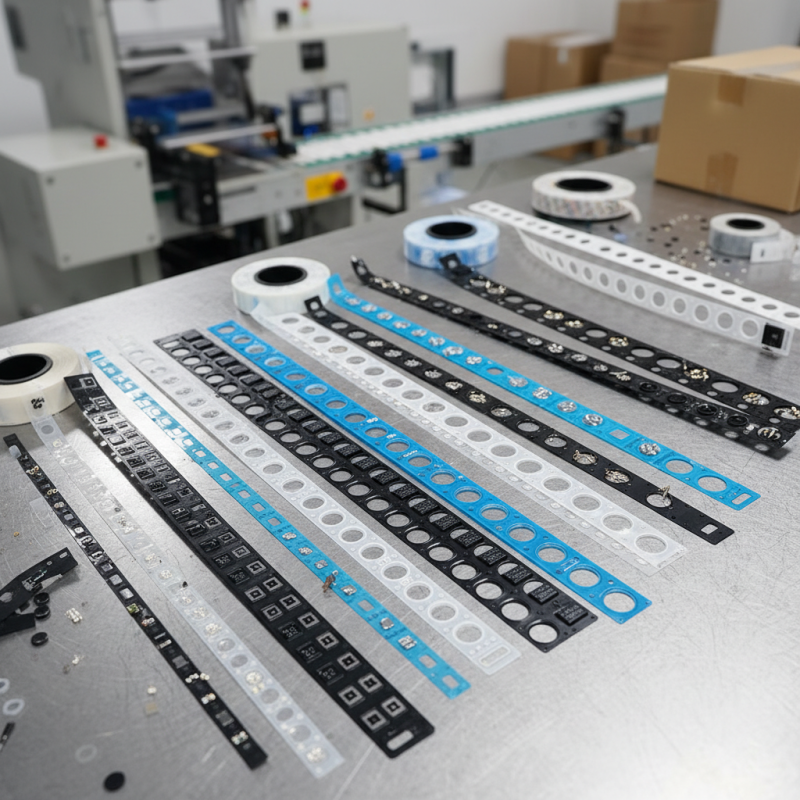
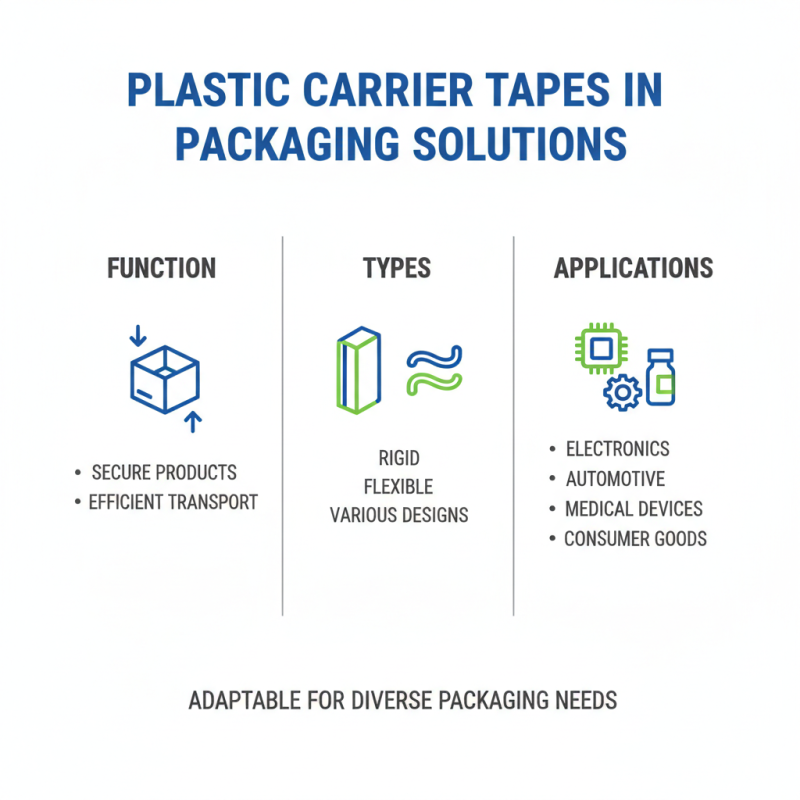
Plastic carrier tapes play a vital role in packaging solutions. These tapes help secure and transport products efficiently. They come in various types, each designed for specific applications. Some are rigid, while others are flexible, accommodating a range of packaging needs.
In the packaging world, the choice of carrier tape matters. Rigid tapes provide sturdy support for heavier items. Meanwhile, flexible tapes are ideal for delicate products. Many manufacturers still overlook the importance of selecting the right type. This oversight can lead to increased damage during shipping. Proper selection is key for sustainability and cost-effectiveness.
Moreover, you might think all carrier tapes are the same. This assumption can be misleading. The materials used and the design can significantly affect performance. Not every solution fits every product. It’s necessary to evaluate needs closely. This way, businesses can avoid unnecessary waste and improve overall efficiency in their operations.
Types of Plastic Carrier Tapes and Their Applications
Plastic carrier tapes come in various types, each serving specific purposes in packaging applications. The most common types include embossed, non-embossed, and adhesive tapes. Embossed tapes feature raised patterns, which help in holding components securely. They are often used for electronic parts. Non-embossed tapes provide a smooth surface, ideal for packaging sensitive materials. This type is useful for fragile items that require careful handling.
Adhesive carrier tapes, on the other hand, have sticky surfaces that bond with the packaged items. They are versatile and can be used for any shape or size. However, it's essential to ensure the adhesive strength is suitable for the application. Too strong a bond might damage delicate products during unpacking.
Selecting the right tape for the right task is crucial. Not every tape will meet all needs. Some may lack durability, while others might be too rigid. Testing different types before making a bulk purchase can save time and money. Understanding the unique properties of each carrier tape type can lead to more efficient and effective packaging solutions.
Top Plastic Carrier Tape Types for Efficient Packaging Solutions
This chart represents the market share of different types of plastic carrier tapes. Polypropylene leads the market with 30%, followed by polyester and PVC. Understanding these proportions can help businesses choose the right type for their packaging solutions.
Advantages of Using Plastic Carrier Tapes for Efficient Packaging
Plastic carrier tapes are gaining popularity in packaging. They offer several advantages that enhance efficiency. One major benefit is their strength. These tapes can securely hold various materials during transportation. Their durability reduces the risk of items getting damaged. This is crucial for businesses needing reliable shipping solutions.
Flexibility is another advantage. Plastic carrier tapes can be customized to fit different products. This versatility allows for easy packaging of diverse items. They can adapt to various shapes and sizes, streamlining the packing process. Moreover, they are often lightweight, which helps reduce overall shipping costs.
Tips: When using plastic carrier tapes, ensure proper application for maximum hold. Test the tape’s strength with your products. This helps avoid unexpected failures. Also, consider the environment; look for recyclable options. Finding the right balance can enhance your packaging effectiveness.
Factors to Consider When Choosing Plastic Carrier Tapes
When selecting plastic carrier tapes, several factors come into play. The material's strength is crucial. Strong plastics resist tearing and damage during transport. According to industry reports, durable tapes reduce packaging failures by 30%. A reliable choice ensures products remain protected until they reach their destination.
Adhesive properties also matter. The tape must adhere well to various surfaces. This ensures that the packaging holds together under stress. Research indicates that the right adhesive can prevent 15% of package failures. It's important to test different tapes with your specific products to find the best match.
Tips: Always consider the temperature range. Some adhesives may fail in extreme conditions. Test your packaging in real-world situations. Don't underestimate the importance of tape thickness. Using the right thickness enhances durability. Eyeing these details can lead to significant improvements in your packaging efficiency.
Innovations and Trends in Plastic Carrier Tape Technology
Plastic carrier tapes have evolved significantly, driven by innovations that enhance efficiency in packaging. Recent reports indicate that the plastic packaging market is set to grow at a compound annual growth rate (CAGR) of 4.2% from 2021 to 2028. This growth is largely due to advancements in plastic materials and manufacturing processes. The integration of bioplastics has gained traction, appealing to eco-conscious consumers.
In addition to sustainability, the introduction of smart technology into plastic carrier tapes is noteworthy. These innovations include the incorporation of RFID tags for better inventory management. A survey revealed that 65% of manufacturers believe RFID integration reduces errors in packaging. However, challenges remain in standardizing these technologies across industries, often leading to inconsistent implementation.
Tips: When choosing a plastic carrier tape, consider the specific needs of your packaging line. Analyze factors like compatibility with existing machines. Keep an eye on material quality; even minor defects can lead to considerable waste. Embracing new technologies can improve efficiency, but ensure you have the right training for your team.
As new designs emerge, manufacturers must reflect on reliability and cost. The cost-effectiveness of advanced materials is not always clear, leading to decisions driven by short-term savings rather than long-term benefits. Engaging with industry reports can provide insights but remember that market conditions can shift unexpectedly.