Top Tips for Choosing the Best Automatic Tape Machines?
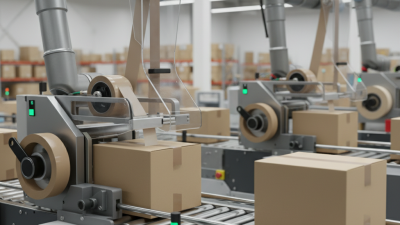
Choosing the right Automatic Tape Machines can significantly impact your packaging efficiency. These machines vary widely, making the selection process overwhelming. You need to consider functionality and features before making a purchase. Each model has unique specifications tailored for different applications.
When evaluating Automatic Tape Machines, it's crucial to balance quality and cost. While cheaper options may seem attractive, they often compromise durability and performance. A well-designed machine can save money in the long run. Therefore, understanding your specific needs is vital.
Don't rush into a decision. Research and compare models thoroughly. Speak to industry experts, and gather user experiences. This will help you identify reliable brands and machines that suit your requirements. The right choice will not only streamline your workflow but also enhance your production capabilities.
Key Features to Consider When Selecting Automatic Tape Machines
When selecting automatic tape machines, certain key features can significantly impact performance. One primary consideration is the machine's speed. According to a 2022 industry report, machines with a speed of 25 meters per minute improve efficiency by up to 30%. However, increased speed can sometimes lead to issues in consistency and accuracy. It’s essential to balance speed with precision in production lines.
Another vital aspect is the tape compatibility. Most automatic machines work effectively with various tape types, including acrylic, masking, and double-sided options. A study from the Tape Manufacturers Association indicates that 70% of production errors trace back to incompatible tape types. Operators must ensure the selected machine supports the intended tape for optimal results.
Lastly, consider user-friendly features such as automatic tension control and easy-to-navigate settings. These features can dramatically reduce setup time and decrease the learning curve for new employees. However, not all machines offer intuitive interfaces. Investing time in training can maximize the benefits of more complex machines, enhancing productivity. Balancing technological sophistication with ease of use is crucial for long-term success in automating processes.
Understanding Different Types of Automatic Tape Machines Available
When selecting an automatic tape machine, understanding the various types available is crucial. These machines can differ significantly in function and design. Some models focus on high-speed applications, ideal for large production runs. Others are more versatile, allowing adjustments for different tape sizes and thicknesses. Recognizing these differences helps streamline your decision.
Different machines cater to distinct tasks. For example, some are specifically designed for packaging, while others excel in labeling. A packaging tape machine might apply tape to boxes swiftly. On the other hand, a labeling machine would ensure precision in how labels adhere to products. Evaluate your primary needs before making a choice.
It’s important to consider operational ease. Some machines have complex settings that may confuse users. It's wise to search for machines that strike a balance between functionality and user-friendliness. Not all features will be essential for every business. Reflecting on your long-term needs might save you from making a hasty decision.
Impact of Tape Width and Thickness on Machine Performance
When choosing an automatic tape machine, tape width and thickness play crucial roles in its performance. A wider tape generally provides better adhesion and durability. For heavy-duty applications, thicker tape is often a better choice. It ensures that the tape can withstand stress and prevent breakage during use.
However, not all machines can handle every tape type. Some models are optimized for specific widths and thicknesses. Using an inappropriate tape can lead to jams or poor adhesion. It’s essential to match the tape specifications with machine capabilities. This attention to detail can significantly enhance efficiency and output.
Consider the material used in both the tape and the machine. Some tapes may work well on one surface but fail on another. Understanding these nuances is important for optimal performance. Testing different tape options may uncover surprising results. Being open to experimentation can lead to improvements you may not expect.
Evaluating the Speed and Efficiency of Tape Application Mechanisms
When evaluating the speed and efficiency of automatic tape machines, consider the application mechanism. A well-designed mechanism ensures quick tape application, leading to increased productivity. Look for machines that provide adjustable settings. This allows you to optimize the tape speed based on the task. Some machines may not have this feature, which could limit their usability.
Another crucial aspect to examine is the design of the dispensing system. A precise dispensing system helps maintain consistent tape lengths. It minimizes waste and saves costs in the long run. Remember that not all machines excel in this area. Some may struggle with certain tape materials or thicknesses, leading to uneven application. This inconsistency can be frustrating and time-consuming.
Take time to assess real-world performance. User reviews often reveal practical insights. Some users report challenges with setup and calibration. Others note that speed settings may not align with expectations. Identifying these details can help you choose wisely. An efficient tape machine should not only perform well but also adapt easily to your specific needs. This careful consideration will lead to better results in your projects.
Speed and Efficiency of Automatic Tape Machines
Maintenance and Support Services for Automatic Tape Machines
When choosing automatic tape machines, maintenance and support services play a crucial role. Regular maintenance ensures these machines operate efficiently. According to industry studies, over 30% of machine breakdowns are due to inadequate upkeep. Scheduled service can prevent costly disruptions. It’s vital to set a maintenance schedule based on machine usage and manufacturer recommendations.
Support services are equally important. Quick access to technical support minimizes downtime. A recent report showed that businesses lose an average of $2,500 per hour during machine failures. Having reliable support can mitigate this risk. Operators should seek service agreements that cover not just repairs but also training. Knowledgeable operators can identify issues early, reducing long-term costs.
Investing in maintenance and support can make a difference. Machines are complex, and neglect can lead to performance issues. A proactive approach can extend the lifespan of automatic tape machines. Understanding the balance between cost and effective service is essential for optimal performance. Reflecting on operational needs can lead to smarter choices.