| Semi-Automatic Uniform Case Sealer |
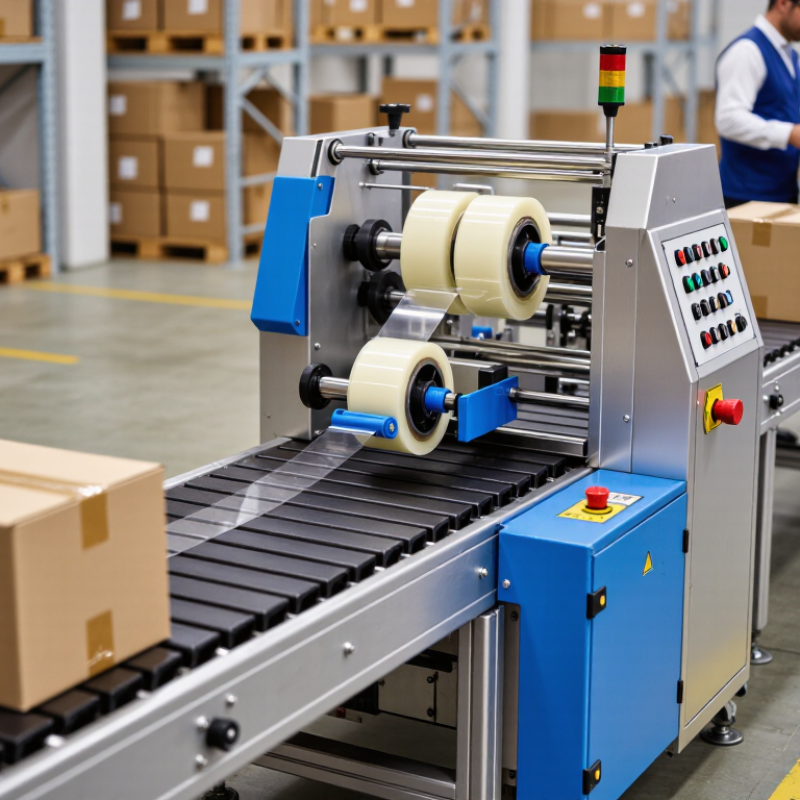
The operator folds the carton flaps and positions the box; powered belts apply tape to the top and bottom seams. |
Pressure-sensitive polypropylene or PVC carton-sealing tape |
48–75 mm |
Fixed or closely grouped carton sizes; commonly from approximately 150 × 120 × 100 mm to 500 × 500 × 500 mm |
Approximately 15–25 cartons per minute |
Medium |
Simple controls, powered side belts, adjustable sealing heads, compact footprint, and low operator training requirements |
Small and medium production runs with consistent carton dimensions |
Requires an operator to fold flaps; not ideal for a wide range of box sizes without adjustment |
| Random-Size Automatic Case Sealer |
Sensors detect carton height and width while the machine automatically adjusts the sealing head and side guides. |
Pressure-sensitive polypropylene or PVC carton-sealing tape |
48–75 mm |
Mixed carton sizes within the machine's specified minimum and maximum range; often up to approximately 500 mm in height and width |
Approximately 15–30 cartons per minute |
High |
Automatic size adjustment, photoelectric sensing, top-and-bottom sealing, and reduced manual setup |
Warehouses, e-commerce operations, and packaging lines handling mixed-size cartons |
Higher purchase cost and more maintenance points than uniform-size machines |
| Fully Automatic Case Sealer |
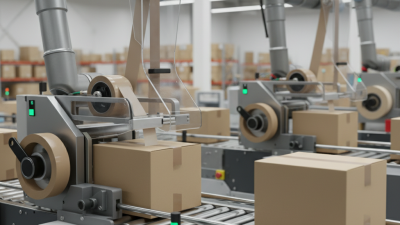
Powered conveyors transfer cartons through automatic flap folding, compression, and tape application with minimal operator involvement. |
Pressure-sensitive polypropylene or PVC carton-sealing tape |
48–75 mm |
Uniform carton sizes or a controlled size range, depending on the configuration |
Approximately 20–40 cartons per minute |
High |
Automatic flap folding, continuous conveyor operation, adjustable sealing heads, and integration with upstream and downstream equipment |
Continuous production lines requiring consistent throughput and reduced labor |
Needs properly formed cartons and stable conveyor spacing; usually requires more floor space |
| Case Erector with Automatic Tape Sealing |
Automatically forms flat blanks, folds the bottom flaps, applies tape, and transfers the erected carton for filling. |
Pressure-sensitive polypropylene or PVC carton-sealing tape |
48–75 mm |
Carton blanks within the machine's forming range; commonly used for regular slotted cartons |
Approximately 8–20 cartons per minute |
High |
Carton magazine, vacuum or mechanical blank picking, bottom sealing, flap folding, and connection to filling equipment |
Packaging lines that need automatic carton forming before filling and closing |
Carton blanks must have consistent dimensions, board quality, and slot geometry |
| Water-Activated Tape Dispenser |
Measures, cuts, moistens, and dispenses reinforced or non-reinforced gummed paper tape for manual carton closure. |
Water-activated kraft paper tape, including reinforced grades |
30–100 mm, depending on the dispenser |
Suitable for a broad range of carton sizes when sealing is performed manually |
Approximately 15–30 m of tape per minute |
Low to medium |
Programmable tape lengths, automatic cutting, adjustable water control, and recyclable paper-tape compatibility |
Operations seeking tamper-evident paper seals and improved carton recyclability |
Not compatible with pressure-sensitive tape; requires water, cleaning, and manual carton positioning |
| Hot-Melt Adhesive Tape Applicator |
Applies adhesive material or hot-melt glue to a substrate or packaging surface through a heated application system. |
Specialized hot-melt adhesive systems; not standard pressure-sensitive carton tape |
Varies by application and adhesive head |
Depends on the packaging format and application design |
Approximately 10–40 application cycles per minute |
Medium to high |
Strong bonding, adjustable adhesive deposition, high-speed operation, and suitability for selected industrial packaging applications |
Applications requiring strong adhesive bonds or specialized sealing formats |
Higher operating temperature, longer setup procedures, and stricter safety and maintenance requirements |