Why Choose PCB Printed Circuit Boards for Your Business Needs?
In today's rapidly evolving technology landscape, choosing the right components for your projects can be challenging. The PCB Printed Circuit Board stands out as a reliable choice for businesses aiming to enhance their electronic manufacturing processes. Its versatility and adaptability make it suitable for various applications, from consumer electronics to industrial machinery.
Companies increasingly rely on PCB Printed Circuit Boards due to their durability and efficiency. They offer robust solutions that withstand harsh conditions while maintaining performance. However, it’s crucial to select the right specifications for your specific needs. Not all PCBs are created equal. Some may not provide the expected reliability or longevity.
Partnering with experienced manufacturers can make a significant difference. They understand the intricacies of PCB design and production. This expertise ensures that you receive a product tailored to your requirements. Nonetheless, the market is vast, and not every provider guarantees quality. Careful evaluation of potential suppliers will lead to a more informed decision, enhancing your overall business success.
Understanding the Basics of PCB Printed Circuit Boards
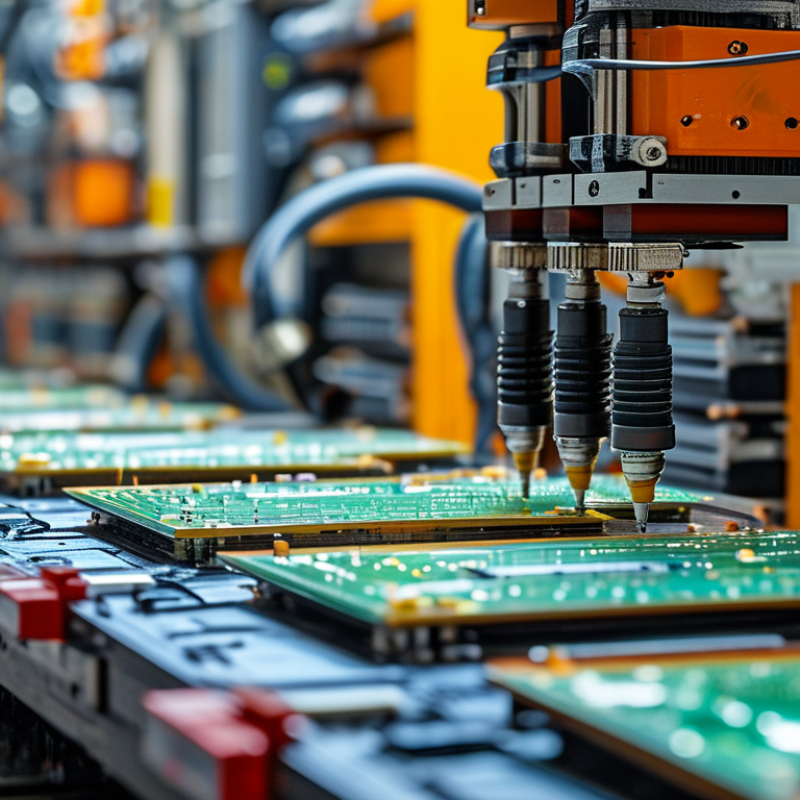
PCB (Printed Circuit Boards) play a critical role in modern electronics. Understanding the basics is essential for businesses aiming to stay competitive. A PCB acts as a platform for electronic components, connecting them through conductive pathways. This ensures reliable performance in devices ranging from smartphones to industrial machinery. The global PCB market is projected to reach $85 billion by 2027, according to industry reports. This growth reflects their importance in various sectors.
A core element of PCB design is the choice of materials. FR-4 is the most commonly used substrate. It's known for durability and thermal stability. However, the rise of IoT devices has increased demand for flexible PCBs. These can bend and twist, fitting into compact spaces. Yet, they are more challenging to manufacture. Companies must consider this trade-off when selecting PCBs for new projects.
Despite their advantages, PCBs present challenges. The intricacy of designs can lead to manufacturing errors. For instance, misalignment during assembly may cause circuit failures. It's crucial for businesses to invest in quality control measures. This ensures reliability and minimizes returns. As technology evolves, staying informed about PCB trends is vital for any business.
Why Choose PCB Printed Circuit Boards for Your Business Needs?
| Criteria |
Description |
Benefits |
| Material Quality |
High-grade materials ensure longevity and durability. |
Reduced failure rates and longer product lifecycle. |
| Customization |
Ability to tailor designs to specific project needs. |
Enhanced functionality and compatibility with various devices. |
| Cost Efficiency |
Competitive pricing options based on volume and specifications. |
Lower production costs and higher margins. |
| Manufacturing Speed |
Advanced technologies allow for rapid prototyping and production. |
Quick time-to-market for new products. |
| Technical Support |
Access to expert advice throughout the development process. |
Improved design efficiency and problem-solving capabilities. |
The Advantages of Using PCBs in Modern Electronics
PCB printed circuit boards (PCBs) are integral to modern electronics. Their advantages are significant. They provide a compact, efficient solution for circuit design. With layers of circuitry, PCBs can support complex electrical connections. This leads to more reliable devices. Efficiency is crucial; PCBs often reduce space in devices, making them lighter and more portable.
Durability is another key feature of PCBs. They can withstand various environmental conditions. Factors like humidity and temperature changes are less impactful. Many manufacturers prefer PCBs for their longevity. However, it's essential to consider the manufacturing process. Design flaws can lead to failures in performance. This highlights the need for thorough testing.
Adopting PCBs can also enhance performance. They enable high-frequency operations that traditional wiring cannot match. This is particularly important in fields like telecommunications. Still, not all applications benefit uniformly from PCBs. For certain simple circuits, alternatives might prove more effective. Understanding these nuances is vital for informed decisions.
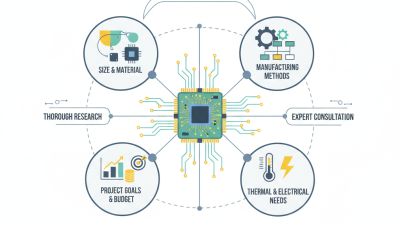
Key Factors to Consider When Choosing PCBs for Your Business
When selecting printed circuit boards (PCBs) for your business, several key factors are vital.
First, consider the application of the PCB. Different applications demand different specifications. For example, high-frequency circuits may require specific materials that can handle signal integrity without degradation.
Take time to evaluate your project's unique requirements before making a decision.
Material quality is essential too. High-quality materials ensure the longevity and reliability of your product. Poor materials can lead to frequent failures, causing costly delays.
Verify the manufacturer’s credentials before trusting their products. Check for certifications that guarantee quality standards. The complexity of your design is another consideration.
Complex designs may need advanced manufacturing processes, which can increase costs. Balance complexity with functionality to avoid unnecessary expenses.
Lastly, think about the cost vs. performance ratio. While cheaper options may be tempting, long-term reliability often comes with a higher price tag.
Evaluate how different PCBs will impact your project over time. Encouraging innovation while remaining practical is crucial for success. Reflect on the projects you've completed and the challenges faced to ensure you choose wisely this time.
Different Types of PCBs and Their Applications in Industries
Printed circuit boards (PCBs) are essential components in most modern electronic devices. They come in various types, each tailored for specific applications across different industries. Among the most commonly used PCBs are single-sided, double-sided, and multilayer boards. Single-sided PCBs offer a simple layout for basic devices.
Double-sided PCBs provide more routing options. They are ideal for mid-range complexity electronics. Multilayer PCBs enable compact designs. These boards consist of multiple layers, which support high-density configurations common in smartphones and computers. However, their manufacturing process is complex, which can lead to quality control issues.
Flex PCBs introduce a unique solution. They are flexible, allowing for curved designs in wearables and medical devices. Rigid-flex combinations also exist, merging the benefits of both rigid and flexible designs. Yet, engineers must consider the applications carefully. Not all designs require complex PCB types. Proper selection is vital for efficiency and cost-effectiveness in production. Attention to detail in PCB design can significantly impact the overall functionality of the electronics.
Types of PCB Printed Circuit Boards and Their Applications
Cost-Effectiveness and Sustainability of PCB Manufacturing Solutions
Choosing PCB printed circuit boards (PCBs) becomes increasingly relevant as businesses look for cost-effective and sustainable manufacturing solutions. PCBs offer a lightweight alternative to traditional wiring, significantly reducing costs. Their compact design allows for more efficient use of space in devices. This efficiency also extends to energy consumption, which means lower operational costs over time.
When considering sustainable manufacturing, PCBs shine. They can be made with eco-friendly materials, minimizing environmental impact. Additionally, the recycling of PCBs is becoming standard practice, reducing electronic waste. Selecting PCBs can help companies align with green initiatives, appealing to environmentally-conscious consumers.
A practical tip is to evaluate the lifecycle of your products. Understand how much energy your PCB will consume. Factor in the durability of the materials used, as longer-lasting boards contribute to sustainability efforts. Invest in suppliers committed to responsible manufacturing processes. Small adjustments can lead to significant savings and environmental benefits.