Best PP Packaging Tape for Global Suppliers in 2026?
In 2026, the demand for PP Packaging Tape is expected to surge among global suppliers. Recent market reports indicate that the global adhesive tape market, which includes various types of PP Packaging Tape, is projected to grow at a CAGR of 5.7% from 2021 to 2026. This growth is fueled by increased e-commerce activities and the need for sustainable packaging solutions.
PP Packaging Tape is favored for its durability and versatility. It plays a vital role in ensuring product safety during transport. However, as the market expands, challenges remain. Suppliers must address issues such as the environmental impact of plastics. Reports suggest that nearly 60% of consumers prefer eco-friendly packaging options. This trend compels manufacturers to rethink their sourcing and production methods.
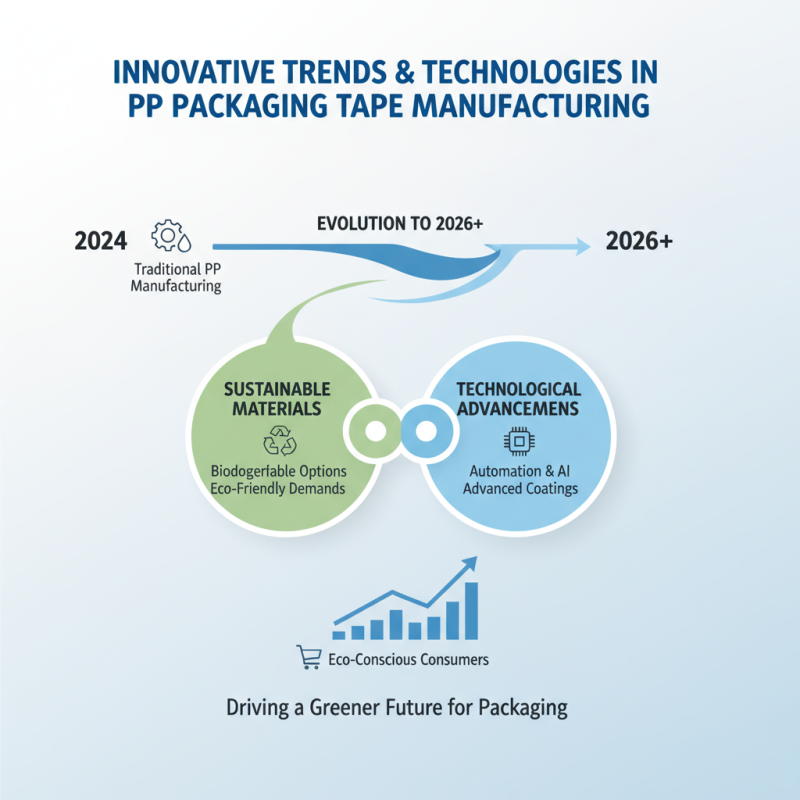
While PP Packaging Tape continues to dominate, innovation is crucial. The industry is producing more biodegradable and recyclable options. Engaging in sustainable practices can attract more clients. Suppliers must reflect on their practices to remain competitive. Balancing cost, quality, and environmental responsibility is essential for success in 2026.

Overview of PP Packaging Tape and Its Importance in Global Supply Chains
PP packaging tape plays a vital role in global supply chains, ensuring that products are securely packaged and transported. This type of tape is known for its durability and versatility. It adheres well to various surfaces, from cardboard to plastic, making it ideal for different packaging needs. In a world where e-commerce is booming, the reliability of packaging materials is paramount. Without strong tape, packages risk damage during transit.
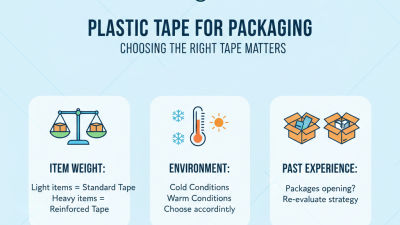
While PP packaging tape offers many advantages, there are challenges to consider. Not all tapes perform equally under diverse environmental conditions. Some may lose adhesion in extreme temperatures, while others might not hold up under weight. These factors can lead to inefficiencies in logistics. It's crucial for suppliers to test tape under multiple scenarios to ensure reliability.
The importance of using the right packaging tape cannot be overstated. It directly impacts customer satisfaction and operational efficiency. Inconsistent performance can lead to increased costs and losses. Suppliers should seek out tapes that meet industry standards and provide consistent results. Careful selection is essential for maintaining integrity within supply chains.
Key Features to Look for in High-Quality PP Packaging Tape
When looking for high-quality PP packaging tape, several key features should be prioritized. The adhesive strength of the tape is crucial. A strong adhesive ensures that packages remain securely sealed during transit. Look for tapes that adhere to various surfaces, including cardboard and plastic. This versatility can make your packaging process much smoother.
Thickness is another important aspect. A thicker tape generally offers better durability. It can withstand stress and protect contents during shipping. However, some may worry that thicker tape is harder to handle. Balancing thickness and usability is essential.
**Tips**: Always test the tape before committing. Ensure that it adheres well in various conditions, including humidity. Not all tapes perform equally in different environments.
Consider the unwind rate as well. A tape that unwinds too quickly can be frustrating. This can lead to waste and inefficiency. A controlled unwind can enhance the user experience.
**Tips**: Choose a tape with a suitable unwind speed for your workflow. This small detail can save time during packaging. A smooth application makes a difference.
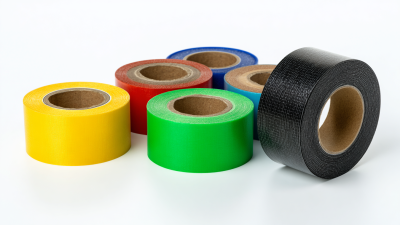
Keep color and visibility in mind too. Tapes that are brightly colored or printed can convey important information. They can also make packages more easily identifiable. Always think about how the tape fits into the overall branding strategy.
Best PP Packaging Tape for Global Suppliers in 2026
| Feature |
Description |
Importance |
| Adhesive Strength |
High tackiness to withstand shipping and handling. |
Ensures packages remain sealed during transit. |
| Tensile Strength |
Ability to withstand high tension without breaking. |
Prevents tears and ensures durability. |
| Thickness |
Measured in microns, thicker tapes offer better performance. |
Directly correlates to strength and durability. |
| Temperature Resistance |
Ability to maintain adhesion in various temperatures. |
Essential for shipping to varying climates. |
| UV Resistance |
Protection against UV exposure to prevent degradation. |
Important for long-term storage and outdoor use. |
| Noise Level |
Refers to the sound produced when unwinding the tape. |
Lower noise levels are preferred in quiet environments. |
Top Global Suppliers of PP Packaging Tape in 2026
As we move into 2026, the demand for polypropylene (PP) packaging tape continues to rise. Global suppliers are adapting their offerings to meet diverse needs across industries. PP packaging tape is favored for its durability and flexibility, which makes it ideal for various applications, from shipping to retail packaging.
Many suppliers are innovating their production processes. They focus on improving adhesion and weather resistance. Some companies are exploring sustainable practices to reduce their ecological footprint. While progress is notable, the industry still faces challenges in sourcing high-quality materials consistently. Suppliers must navigate fluctuations in material costs and availability.
Customer feedback reflects the importance of performance. Users often report varying experiences with product durability. Suppliers need to prioritize research and development to address these concerns. Quality assurance will remain a critical component, as inconsistent tape performance can lead to financial losses for businesses. Addressing these issues is essential as the market continues to evolve.
Sustainability and Environmental Considerations in PP Packaging Tape Choices
Sustainability has become a vital factor in the choice of PP packaging tape. As global suppliers face pressure to reduce environmental impacts, choosing eco-friendly materials is essential. According to industry reports, the eco-friendly packaging market is expected to reach $600 billion by 2026. This shift highlights the importance of sustainable practices in packaging solutions.
Many suppliers are now opting for recyclable or biodegradable PP tapes. Research shows that 70% of consumers prefer brands that prioritize environmental sustainability. Using such materials not only meets consumer expectations but also aids in compliance with evolving regulations. However, not all options are perfect. Many biodegradable tapes may not perform as well under certain conditions, raising concerns about their reliability.
**Tip:** Always check certifications for sustainability claims. Look for products that meet recognized eco-label standards.
Innovative technologies are paving the way for improved recycling processes. Some manufacturers are exploring alternative production methods to enhance recyclability. Yet, this is an ongoing challenge. Many products still lack adequate recycling infrastructure, which can lead to increased waste levels. Suppliers must critically assess their choices and seek better solutions in the long run.
**Tip:** Stay updated on industry trends and innovations. Engaging with sustainable practices can set a brand apart.
The decision-making process requires careful consideration of both sustainability and performance. Tightropes between eco-friendliness and functional reliability often exist. This balance is what makes the future of PP packaging tape exciting, yet complex.
Best PP Packaging Tape Choices for 2026
This chart displays the projected popularity of various PP packaging tape options among global suppliers in 2026, taking into account sustainability and environmental considerations.