Best Plastic Carrier Tape for Your Packaging Needs?
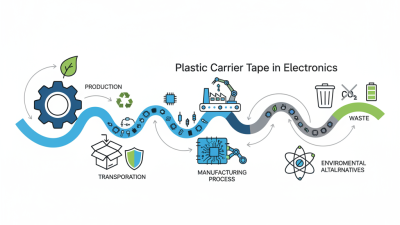
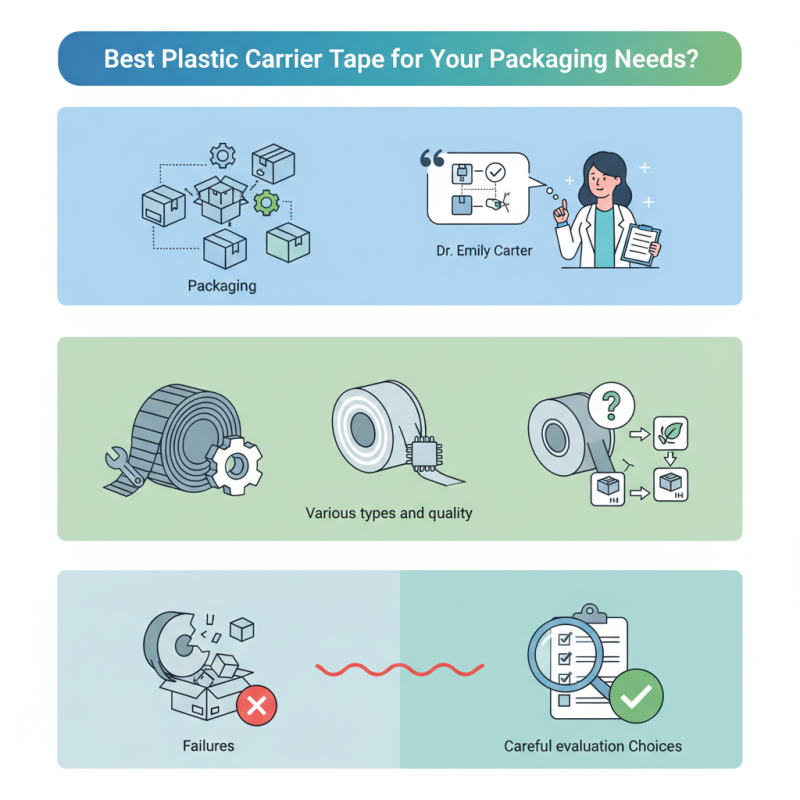
In the world of packaging, choosing the right materials is crucial. Plastic Carrier Tape is an essential component. It provides not just support but also durability for various applications. According to industry expert Dr. Emily Carter, "Selecting the right Plastic Carrier Tape can make or break your packaging effectiveness." This quote highlights the importance of making informed choices in packaging supplies.
Plastic Carrier Tape comes in various types and qualities. Finding the best one can feel overwhelming. Each type has its unique properties suited for different needs. For instance, some are designed for heavy-duty usage, while others cater to more delicate items. It's important to match the tape with your specific packaging requirements.
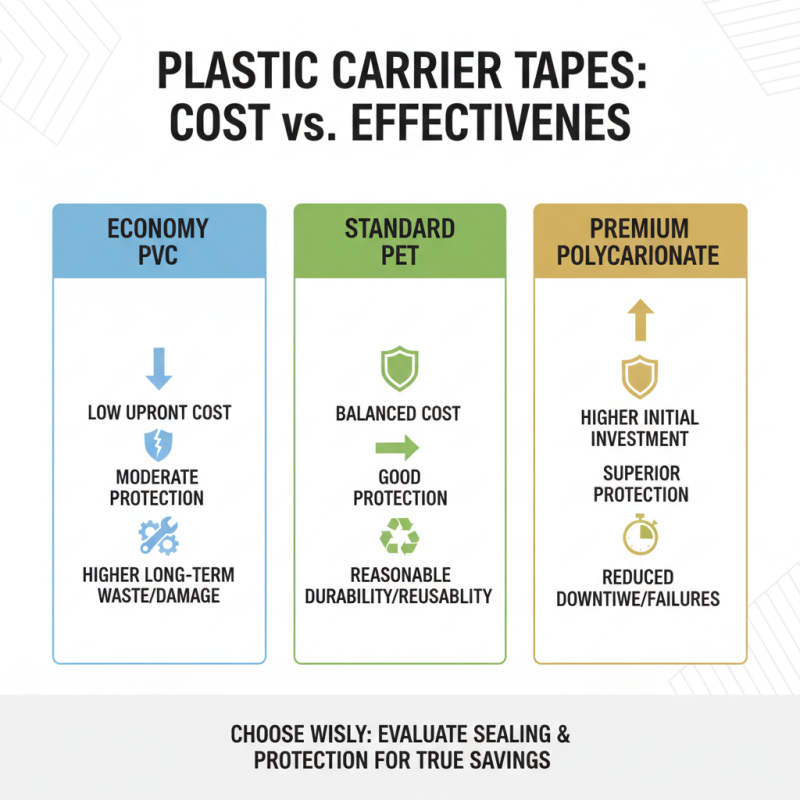
However, not all Plastic Carrier Tapes perform equally. Some might not adhere properly or degrade over time. These issues can lead to costly packaging failures. Therefore, careful evaluation is needed when selecting. Take note of your product's requirements and the tape's specifications. It's a reflection of the complexity and thought involved in effective packaging solutions.
Understanding Plastic Carrier Tape: Types and Features
Plastic carrier tape is essential for efficient packaging. It holds small components securely. Different types serve various purposes. The choice often depends on product size and weight.
There are two main types: embossed and non-embossed. Embossed tape has raised features to hold components snugly. Non-embossed tape is typically smoother. The right choice could improve efficiency but may also cause issues if mismatched.
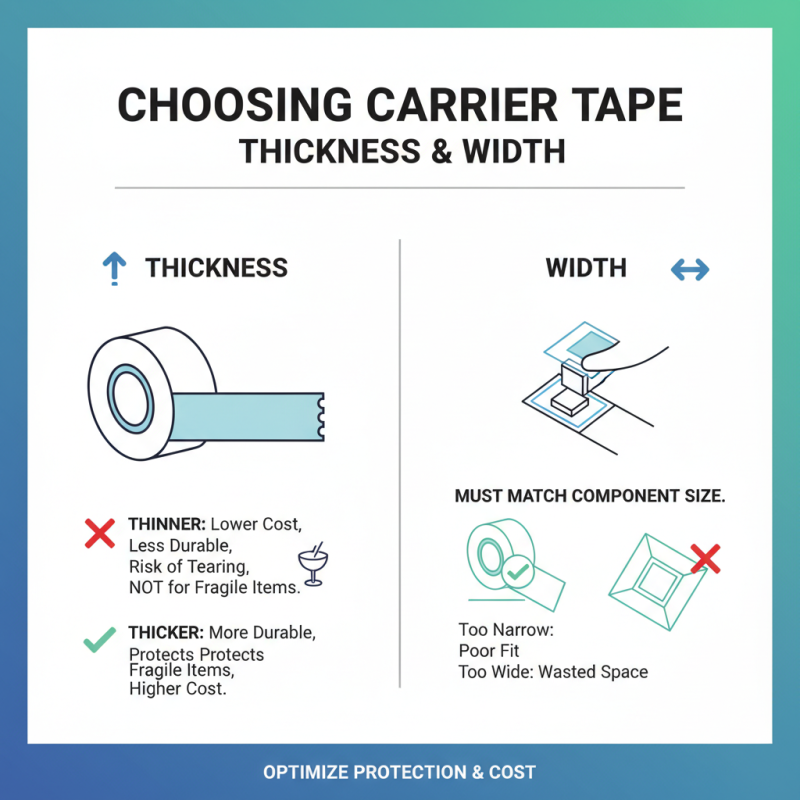
Features of carrier tape include material thickness and width. Thicker tape is sturdier but might be less flexible. Width affects how well it fits different parts. It's important to assess needs carefully. Often, packaging professionals overlook these details, leading to problems later on.
Best Plastic Carrier Tape for Your Packaging Needs?
| Type |
Material |
Width (mm) |
Length (m) |
Adhesive Strength (N/25mm) |
Temperature Resistance (°C) |
| Standard Carrier Tape |
Polypropylene (PP) |
8 |
1000 |
180 |
-20 to 80 |
| High-Temperature Carrier Tape |
Polyester (PET) |
12 |
1500 |
220 |
-40 to 150 |
| Anti-Static Carrier Tape |
Conductive Polypropylene |
16 |
2000 |
120 |
-10 to 70 |
| Custom Carrier Tape |
Various Materials |
10 |
500 |
100 |
-30 to 90 |
Evaluating Adhesive Properties for Effective Packaging Solutions
When selecting the right plastic carrier tape for packaging, adhesive properties play a crucial role. A good tape should offer excellent adhesion to various surfaces. This ensures that packages remain securely closed during transit. The level of stickiness can vary widely. Some tapes may peel off easily, while others stick too strongly and damage surfaces. Finding the right balance is essential.
You might also consider the tape's durability. A tape that performs well in different temperatures is crucial for diverse environments. Sometimes, packaging materials can be challenging to bond. Reflecting on past experiences can be useful. Did the tape hold up as expected? Were there mishaps during shipping? These reflections help in making more informed choices.
Additionally, consider the ease of use. Some tapes can be tricky to unwind or cut. This can lead to frustration during the packing process. A convenient tape can save time and effort. Small details matter in achieving successful packaging. Each tape should be evaluated based on personal needs and experiences. What's the right choice for your products?
Choosing the Right Thickness and Width for Your Needs
Choosing the right thickness and width for plastic carrier tape is crucial. The thickness you select affects the tape's durability. Thinner tape may save on costs, but it might tear easily during shipping. Consider what you will package. Fragile items require thicker tape. They need extra protection.
Width is another important factor. Wider tape provides better coverage. It ensures your items stay secure throughout transit. However, narrower tape can be more suitable for smaller packages. It allows for more precision. Think about the dimensions of your products. Sometimes, it is easy to overlook these details.
Mistakes can happen when selecting the wrong specifications. If your tape is too thin, it may not hold up. If it’s too wide, it can be wasteful. Finding the perfect balance is essential. Test different options to see what works best for your needs. Take time to review your choices. This will help you improve your packaging strategy.
Tips for Proper Storage and Handling of Carrier Tapes
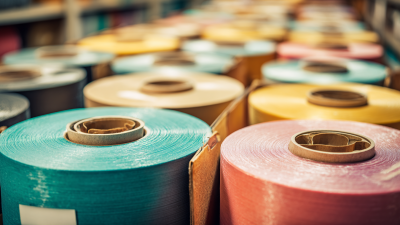
When it comes to packaging, using the right carrier tape is essential. Proper storage and handling of these tapes can greatly affect their performance. Improperly stored tapes can become damaged and unusable. They need to be kept in a cool, dry place, away from direct sunlight. High humidity can cause the adhesive to lose its effectiveness.
Tips for proper handling include always checking for any defects before use. Minor damages might seem insignificant but can lead to larger issues during packaging. Additionally, avoid exposing the tape to extreme temperatures. This can cause the tape to warp or lose its stickiness.
Keep the rolls on a sturdy shelf, as dropping them can compromise their quality. Using them within an appropriate timeframe is vital as well. Outdated tapes may not stick as well, leading to waste. Ensuring correct usage and careful handling will enhance efficiency in your packaging operations.
Best Plastic Carrier Tape for Your Packaging Needs